Ronnie Carter, Devon & Somerset LSIP Executive & Project Manager, delves into the challenges and opportunities facing the skills sector in 2025. With insights from the recent Exclusive Employer Skills Summit and masterclass session delivered to training providers across Devon, Ronnie explores how collaboration, innovation, and a focus on quality can transform the South West’s workforce landscape.
The South West is at a crossroads in its journey to create a workforce ready for the future.
Our region holds immense potential but also faces distinct challenges in addressing skills shortages and aligning training with what employers truly need.
The Devon and Somerset Local Skills Improvement Plan (LSIP) is leading the charge to bring businesses and training providers together to find solutions.
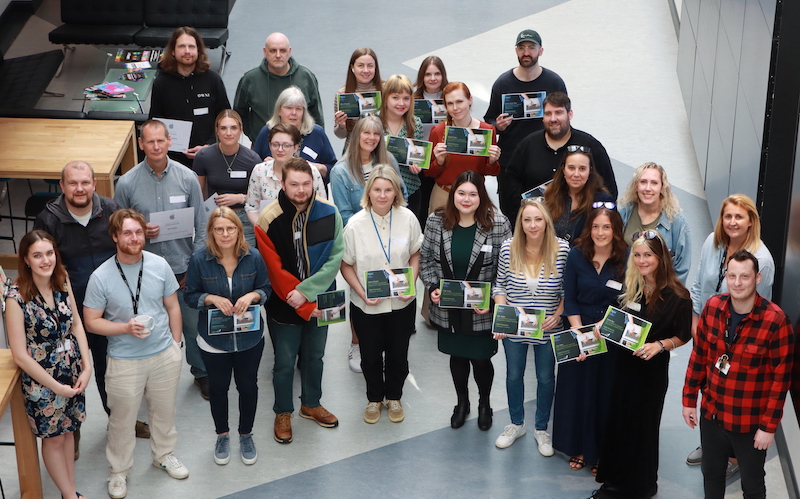
After our recent Exclusive Employer Skills Summit at Petroc’s Tiverton campus, held in partnership with the Devon & Cornwall Training Providers Network, we now have a clearer view of what needs to change – and how we can achieve it. We also ran a survey and one-to-one discussions, which more than 180 participants fed into.
Why quality and consistency matter in skills training
At the heart of the discussion was the need for consistent, high-quality training across the region. There are some excellent examples, like the Green Skills Advisory Panel (GSAP) led by Exeter College.
The College has gained recognition in Westminster and has an OFSTED Outstanding institution, establishing itself at the forefront of green skills development and ensuring that education aligns with the demands of a sustainable economy.
However, OFSTED reports and feedback from local businesses highlight unevenness, particularly in rural areas. Closing these gaps is essential to ensuring everyone has a fair shot at success.
One common frustration among smaller businesses is feeling sidelined in favour of larger organisations that can more easily shape training programmes. A manufacturing employer in Devon put it bluntly: “We don’t rely on colleges for students; we find them ourselves.”
This sentiment underscores the urgency for better communication and collaboration between businesses and training providers.
Training providers in the region are stepping up to address these disparities. For example, initiatives like the National College for Nuclear in Bridgwater are creating pathways for local talent, but more efforts are needed to ensure smaller communities benefit equally.
Aligning provider services with employer needs, particularly in harder-to-reach areas, is critical for long-term regional growth.
The skills challenges we face
The Devon & Somerset LSIP has identified some clear roadblocks:
- Scheduling and accessibility: Training schedules often don’t match the realities of business operations, especially for industries with shift workers or those in rural areas where transport links are limited. Flexible options like evening and weekend courses are urgently needed. There’s also a growing call for online or blended learning solutions to cater to businesses with diverse operational hours.
- Communication gaps: For many smaller businesses, navigating the complex skills system can feel overwhelming. Without dedicated resources, they often miss out on workforce development opportunities. This highlights the need for an independent support to perform and support with skills gap analysis, which is necessary to recognise and support SME with long-term vision for skills, not just current demand.
- Bureaucracy: Providers struggle to adapt quickly to the changing needs of employers due to rigid structures. For example, creating new apprenticeship standards can be painfully slow. Employers have expressed a desire for more modular, short-term training options that allow quicker upskilling.
- Infrastructure barriers: Rurality and inadequate transport links significantly impact access to training opportunities. Employers in areas like North Devon and Somerset frequently highlight these issues, citing challenges in recruiting locally due to lack of accessible education or training facilities.
How we move forward: Building stronger partnerships
To tackle these issues, the LSIP is championing collaboration and capacity-building initiatives:
- Learning from each other: Sharing best practices across training providers can help address employer concerns. The upcoming Training Provider Conference on 24th February is a great opportunity to kick-start this effort, with a focus on collaborative solutions and mutual learning.
- Setting standards: Quality assurance training for staff who support employers can help standardise what “good” looks like and ensure employer feedback shapes continuous professional development (CPD). This involves creating clear benchmarks that align with employer expectations across industries.
- Developing a business mindset: Providers need to think more commercially to align their services with employer expectations, leading to better outcomes for everyone. By adopting a more entrepreneurial approach, providers can enhance their relevance and improve satisfaction among local businesses.

Innovative skills solutions for businesses
Adopting innovative practices is key to staying ahead. Tailored services, like bulk booking discounts and more flexible faculty availability, can make training more appealing to businesses.
Monitoring service availability year-round and offering tailored solutions – including evening or weekend options – can significantly enhance accessibility.
Regional Employer Review Boards are also being proposed to ensure providers stay responsive to industry needs. These boards would act as a feedback loop, giving businesses a direct voice in shaping local training offerings. Initiatives like this help build trust and foster a culture of continuous improvement.
Additionally, integrating technology into training delivery is a growing trend. From virtual classrooms to on-the-job training apps, leveraging tech can address gaps in accessibility and create more engaging learning experiences.
Employers in digital sectors are particularly keen on innovative solutions that align with rapid technological changes.
Playing to our region’s strengths
The South West is uniquely placed to excel in sectors like digital, green energy, and advanced engineering. Initiatives like the Plymouth and South Devon Freeport and the National College for Nuclear highlight the region’s potential.
However, we must address systemic challenges such as an ageing population and low productivity. Flexible, modular training programmes, like Skills Bootcamps, offer a promising solution – but they need to be better promoted and utilised.
Sector-specific solutions are also vital. For example, the region’s burgeoning green energy sector requires targeted upskilling in areas like offshore wind and sustainable construction. Similarly, advanced engineering firms need dual-skilled workers who can adapt to both traditional and emerging technologies.

Strengthening employer relationships
Bridging the gap between employers and providers is vital. The LSIP emphasises the need for continuous improvement in communication strategies.
Whether through digital tools or face-to-face engagement, training must be contextualised to meet the diverse needs of businesses across the region. Employers have stressed the importance of having a single point of contact within provider organisations to streamline communication and ensure consistency.
Employers also benefit from platforms that showcase success stories and best practices. For example, highlighting businesses that have successfully partnered with providers to address skills gaps can inspire others to follow suit. Celebrating these collaborations fosters a sense of community and shared purpose.
What’s next for skills in the South West?
The road ahead requires collaboration. Employers, training providers, and local authorities must unite to build a resilient and inclusive skills ecosystem. Capacity-building initiatives, such as those outlined in the LSIP, are the foundation for achieving consistently high-quality training across the South West.
Employers must take an active role by participating in forums, sharing feedback, and supporting innovative training models. Training providers, on the other hand, need to remain adaptable and responsive, ensuring their offerings align with both current and future demands. Local authorities can play a pivotal role by addressing infrastructure challenges and promoting investment in skills development.
The Skills Summit has shown us what’s possible when we work together. By embracing innovation, fostering collaboration, and keeping quality at the forefront, we can transform the skills landscape. Now is the time to act – to shape a future where every business, community, and individual in the South West can thrive.
Find out more about the benefits of apprenticeships on the Devon Chamber of Commerce’s new Skills Support page at devonchamber.co.uk/skills-support.